


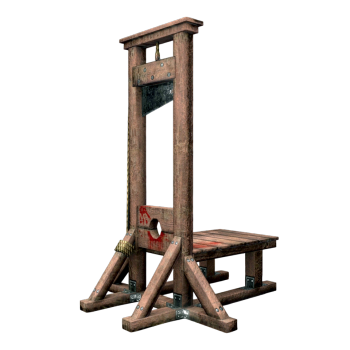
guillotine
A mechanical device used in the execution of the death penalty by dropping a heavy beveled blade from a height to quickly cut off the head of the prisoner. The guillotine was officially adopted during the French Revolution. Its original purpose was to provide a more humane, faster, and equal method of execution for all than other cruel methods of execution at the time (such as fire, hanging). It consists of two tall vertical pillars, a beam, a beveled blade with a heavy object, a rope, and a wooden cangue for fixing the prisoner's neck. During the "Reign of Terror" of the French Revolution, the guillotine became a symbol of violence and mass executions.

Saint Catherine and Roman Inscriptions Sculpture
The sculpture 'St. Catherine and the Roman Inscriptions' is a work of sculpture with historical and religious significance. It depicts Saint Catherine, a Christian saint who was beheaded and martyred during the Roman Empire era. In addition to depicting the image of Saint Catherine, this sculpture also incorporates a pedestal engraved with Roman inscriptions. This Roman inscription may be a commemoration of the martyrdom of saints or a description of historical events in ancient Rome. This detail makes the sculpture more rich and interesting. It not only showcases the artist's techniques for depicting character images, but also provides viewers with reflections and understanding of historical events and religious beliefs.

Popular Models
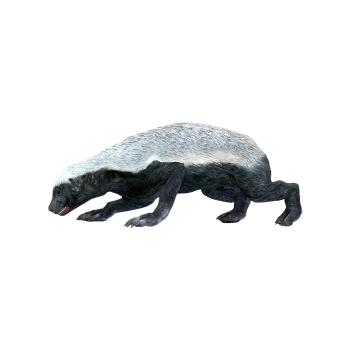
Honey Badger (3D animated model)
196 View
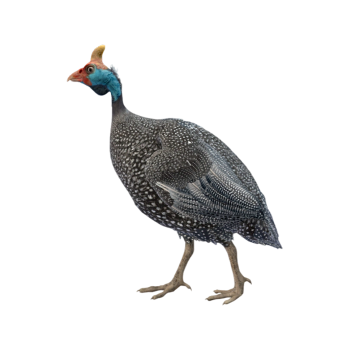
Guinea fowl (3D animated model)
165 View
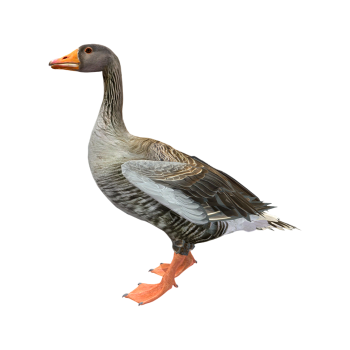
Wild Goose (3D animated model)
187 View
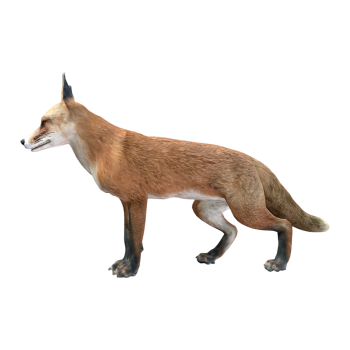
Red Fox (3D animated model)
155 View
Random Model
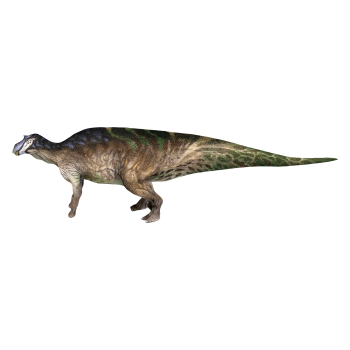
Mother Dragon (3D animated model)
125 View

Ichthyosaur (3D animated model)
148 View
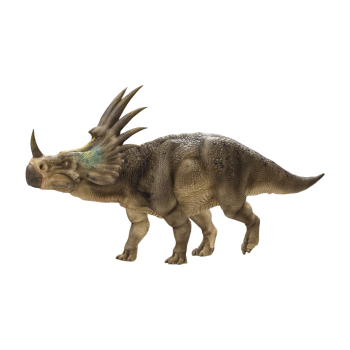
Halosaurus (3D animated model)
100 View
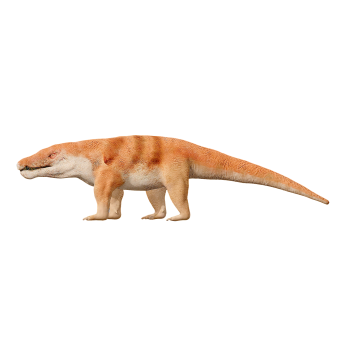
Balu crocodile (3D animated model)
139 View
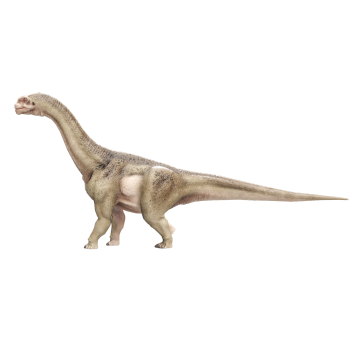
Camarasaurus (3D animated model)
192 View
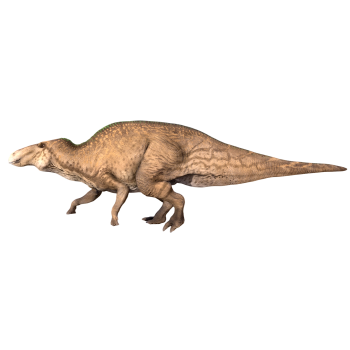
Edmonton Dragon (3D animated model)
152 View
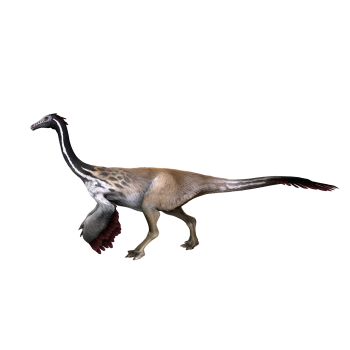
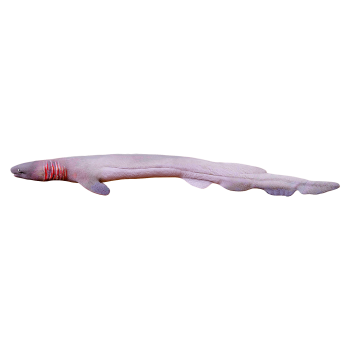
Frilled Shark (3D Animated Model)
156 View
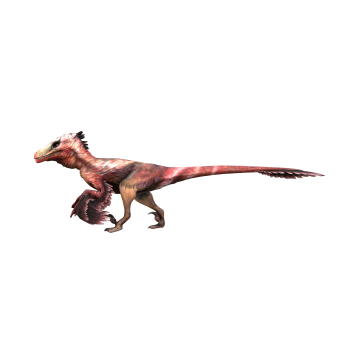
Raptor (3D animation model)
162 View
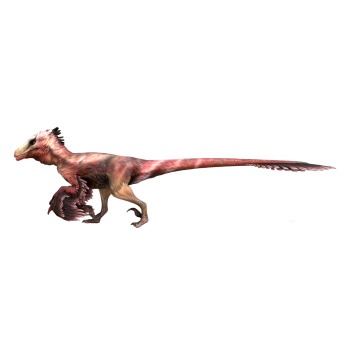
Dakota raptor (3D animated model)
167 View